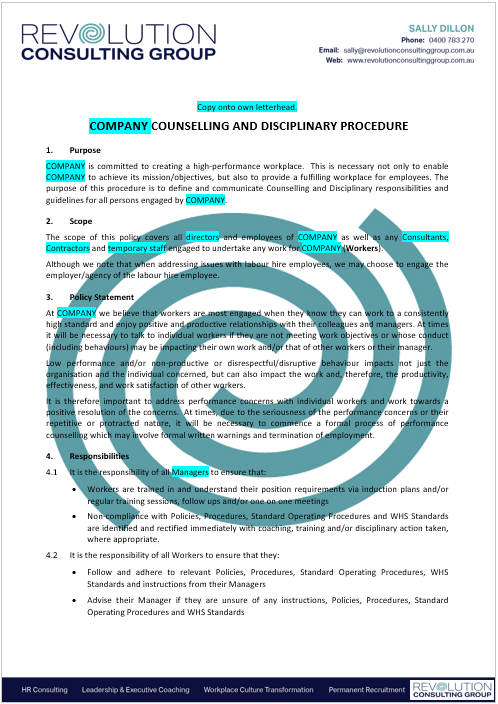
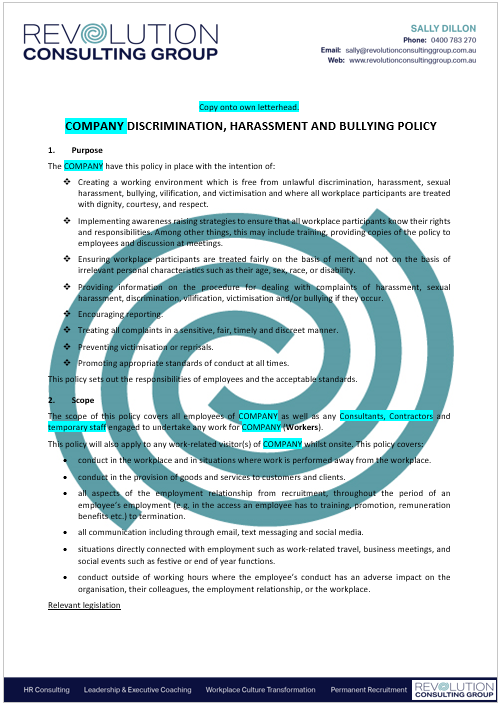

The employee nobody wants to fire isn't usually difficult or disruptive. Discover the hidden cost of delaying performance conversations and why honest feedback matters.

The smarter, more human way to wrap up the year with your team. It’s the season of chaos - deadlines, school concerts, clients rushing to finish projects, and somewhere in the middle of it all… the office Christmas party. But as burnout rises and connection feels harder to find, more leaders are asking a different question: 👉 How do we end the year in a way that actually brings our team together? 🎄 The Great Christmas Party Debate For years, the office Christmas party was a given - a big night out to celebrate the end of another busy year. But as workplace dynamics evolve, so too are attitudes toward how (and whether) we celebrate at all. Recent data shows that 37% of Australians dread the workplace Christmas party due to timing clashes, alcohol pressure and location disruptions. Another survey found 62% of adults over 25 now feel more empowered to choose non-alcoholic options, and 53% plan to reduce alcohol consumption during the festive season. It’s not that people don’t want to celebrate, they just want to feel seen, appreciated and connected. 🍾 What the Research Says A 2023 study published in Scientific Reports found that parties focused on human connection, fun, informality and symbolism led to the highest employee satisfaction - while those dominated by heavy drinking, rigid formality or unclear purpose were linked with higher dissatisfaction. And according to Relationships Australia, nearly a quarter of employees now prefer a team-building activity or family-friendly event over a traditional dinner or boozy night out. The message is clear: employees value experiences that feel inclusive, authentic and aligned with their values, not just an open bar. 💡 What Works Better Now Many organisations are experimenting with new ways to celebrate, and they’re seeing better engagement because of it. ✅ Activity-based celebrations: lawn bowls, escape rooms, trivia nights or volunteering days bring teams together through shared experiences rather than shared drinks. ✅ Family-friendly events: picnics, BBQs or daytime activities allow parents and carers to join in without the guilt (or babysitter costs). ✅ Hybrid-friendly connection: remote teams can still join the fun through online trivia, care packages, or regional meetups. The key is inclusion — not perfection. ❤️ What Brené Brown Reminds Us As Brené Brown’s research has shown, true belonging and trust don’t come from surface-level gestures or forced fun. They’re built through shared vulnerability, connection and meaningful recognition. Your team doesn’t need another party - they need to feel valued, seen, and part of something that matters. 🚀 The Takeaway The best celebrations aren’t the loudest - they’re the most intentional. Whether it’s a relaxed BBQ, a bowling afternoon or a shared volunteering day, the goal is the same: end the year connected, not chaotic. Because connection lasts longer than cocktails - and it’s the best investment you’ll make in your culture before the new year begins.
Website Management  Love My Online Marketing